Nick Flynn
Trad. José Antonio Albarrán
El Capitán pidió que levantáramos la mano
Cada día, algo —esta vez
un barco francés con toda su tripulación y pasajeros
naufraga en el mar del Norte, las frías aguas
acabaron con todos. Nada quedó
excepto un salvavidas con la inscripción GRACIA,
que se desprendió del cadáver. Un vocero
declaró su sorpresa
esperando que algo semejante no se volviera a repetir.
El pasado agosto, mientras viajaba en el ferry
hacia la ciudad, una extraña tormenta
sorprendió a todos,
y el capitán, obligado a preguntar,
pidió que levantáramos la mano
si debíamos continuar. Una mujer a mi lado
escondió la cabeza en su abrigo
para encender un cigarrillo.
Durante años tuve una infancia feliz,
si alguien me preguntaba, decía que era feliz.
The Captain ask for a show of hands
Everyday, something —this time
a French ship with all her passengers & crew
slides into the North sea, the water so cold
it finished them. Nothing saved
but a life ring stenciled GRACE,
cut loose from its body.
A spokenman can only
state his surprise
that It doesn’t happen more often.
Last August, as I rode the ferry
from here yo the city, a freak storm
surprised everyone,
& the Captain, forced below,
asked for a show of hands
as to the whether we should go on. A women beside me
hid her entire head in her jacket
to light a cigarette.
For years i had a Happy childhood,
if anyone asked i’d say, it was happy.
Mi madre contemplando su pistola
Un novio dijo que guardara las balas
bajo llave en otra habitación.
Otro instó
a limpiarla
o podría estallar. Larry
pensó que debería mantenerla cargada
debajo de mi cama,
nunca se sabe.
La compré
cuando no me sentía segura. El cañón
es untuoso,
reflectante, el acero
puro, extraído de un agujero
en Virginia Occidental.
Podría haber sido fundido en cualquier otra cosa, clavos
entre los labios un carpintero, la columna
para equilibrar un tren. Mira esto, una
bala,
casi no es nada-
salitre azufre plomo Infierno
azufre ardiente, un olor semejante.
seguro y martillo, cañón y empuñadura
No sé qué creer.
Recuerdo el bosque detrás de la casa de mi padre
caballos junto a la cantera
coches robados perdidos en los pozos más profundos,
el agua debajo
de una tinta esperando llenarme.
Afuera una toalla cuelga de una cuerda fría
una plancha de acero en el cielo
rosas pintadas en ella, rosas azules.
Mañana seguirá ahí.
My Mother Contemplating Her Gun
One boyfriend said to keep the bullets
locked in a different room.
Another urged
clean It or It could explode. Larry
thought i should keep It loaded
under my bed,
you never know.
I bought It
when i didn’t feel safe. The barrel
IS oily,
reflective, the steel
pure, pulled from a hole in west Virginia. It
could have been cast into anything, nails
along the carpenter’s lip, the ladder
to balance the train. Look at this, one
bullet,
how almost nothing It is —
saltpeter sulphur lead hell
burns sulphur, a smell like this.
Safety and hammer, barrel and grip
I don’t know what i belive.
I remember the woods behind my father’s house
horses beside the quarry
stolen cars lost in the deepest wells,
the water below
an ink waiting to fill me.
Outside a towel hangs from a cold line
a sheet of iron in the Sky
roses painted on It, blue roses.
Tomorrow It Will still be there.
Hace…
Ni siquiera sé
cómo funciona un teléfono, cómo llegó tu voz
desde Iron River, alimentada
a través de cables o satélites, transformada
y devuelta. No entiendo
la paciencia que esto requiere, ni nada
sobre los años luz que hay entre las estrellas.
Hace una hora
metiste las manos en la bañera y las levantaste,
como una ofrenda de vapor. Ahora
estamos conduciendo a 66 mph
y un arce se acerca velozmente, en llamas. Empiezo,
es como esos fuegos artificiales sobre
el Río del Este, pero no basta
con decir esto. Para cuando encuentro las palabras
ya habrá quedado atrás, derrumbándose como si cayera
en una tumba, drenado
de electricidad, el mundo entre algo está pasando
y algo pasó. Piensa en un astronauta, grandes manos de plata
y botas de gravedad, el esfuerzo requerido
para no salir volando al espacio. Piensa en
la primera vez que tus abuelos escucharon
un fonógrafo, la aguja cayendo sobre el vinilo negro,
una canción sin cuerpo. Piensa en los nombres
que ves en un mapa, piensa en esas ciudades y ríos
antes de que fueran nombrados, cuando «Liberty» y «New Hope»
eran una gran roca, un rodal de abedules.
Es lo que temo, la velocidad con la que todo
es reemplazado, estos árboles, tu sonrisa, mi madre
dándome la espalda antes de irse a trabajar,
preguntando por encima del hombro,
¿Cómo se ve esto?
Ago
I don’t even know
how a telephone works, how your voice reached
all the way from Iron Rivers, fed
across wires or satellites, transformed
& returned. I don’t understand
the patience this takes, or anything
about the light-years between stars.
An hour ago
you cupped your hands in the tub and raised them up,
an offering of steam. Now
we’re driving 66 mph
& one maple is comimg up fast, on fire. I begin,
it’s like those fireworks over
the East River, but it’s not enought
to say this. By the time i find the words
it will already be past, rushing away as if falling
into a grave, drained
of electricity, the world between something is happening
& something happened. Think of an astronaut, big silver hands
& gravity boots, the effort spent
to keep from flying off into space. Think of
the first time your grandparents listened
to a phonograph, the needle falling to black
vinyl, a song without a body. Think of the names
you see on a map, think of these towns & rivers
before they wete named, when “Liberty” and “New Hope”
were a large rock, a stand of birches. It’s what
i’m afraid of, the speed with which everything
is replaced, these trees, your smile, my mother
turning her back to me before work,
asking over her shoulder,
how does this look?
Padre en las afueras
Un río negro fluye por el centro
de cada página
y a ambos lados las orillas
están cubiertas de nieve. Mi padre es tinta que cae
en pequeñas flores, una botella
envuelta en una bolsa de papel. Quiero creer
que si cuento bien la historia
nos levantaremos, recién formados,
que volveré a estar a su lado
mientras duerme afuera bajo el halógeno de la iglesia
sólo que esta vez sabré
qué decir. Es de noche y
está nevando y los estorninos
llenan los árboles sobre nosotros, tantos que parece
que las hojas cantan. No puedo verlos
hasta que se elevan juntos ante una señal oculta
manteniendo la silueta del árbol por un momento
antes de dispersarse. Espero su aliento
para levantar su manta
para saber que está vivo, dejando que la historia se asiente
en la forma de esta ciudad. Tres chicas en el parque
empiezan a cantar algo sagrado, una canción
con una habitación perdida en su interior
mientras su libro de oraciones se deshace
y se dispersa. Doblaré
cada dedo hacia atrás, hasta que la botella
caiga, hasta que el hueso se rompa, salvarlo
destruyendo sus manos. Con el deshielo
el río crecerá y él se verá obligado
a un terreno más alto. Nadie
tendrá que decírselo. Desde mi tejado puedo ver
el Río del Este, parece ennegrecido por el petróleo
pero es sólo la luz. Incluso ahora
mi padre está durmiendo en alguna parte. Si siguiera
el río hacia el norte todavía podría llegar a él.
Father Outside
A black river flows down the center
of each page
& on either side the banks
are wrapped in snow. My father is ink falling
in tiny blossoms, a bottle
wrapped in a paperbag. I want to believe
that if I get the story right
we will rise, newly formed,
that I will stand over him again
as he sleeps outside under the church halogen
only this time I will know
what to say. It is night &
it’s snowing & starlings
fill the trees above us, so many it seems
the leaves sing. I can’t see them
until they rise together at some hidden signal
& hold the shape of the tree for a moment
before scattering. I wait for his breath
to lift his blanket
so I know he’s alive, letting the story settle
into the shape of this city. Three girls in the park
begin to sing something holy, a song
with a lost room inside it
as their prayerbook comes unglued
& scatters. I’ll bend
each finger back, until the bottle
falls, until the bone snaps, save him
by destroying his hands. With the thaw
the river will rise & he will be forced
to higher ground. No one
will have to tell him. From my roof I can see
the East River, it looks blackened with oil
but it’s only the light. Even now
my father is asleep somewhere. If I followed
the river north I could still reach him.
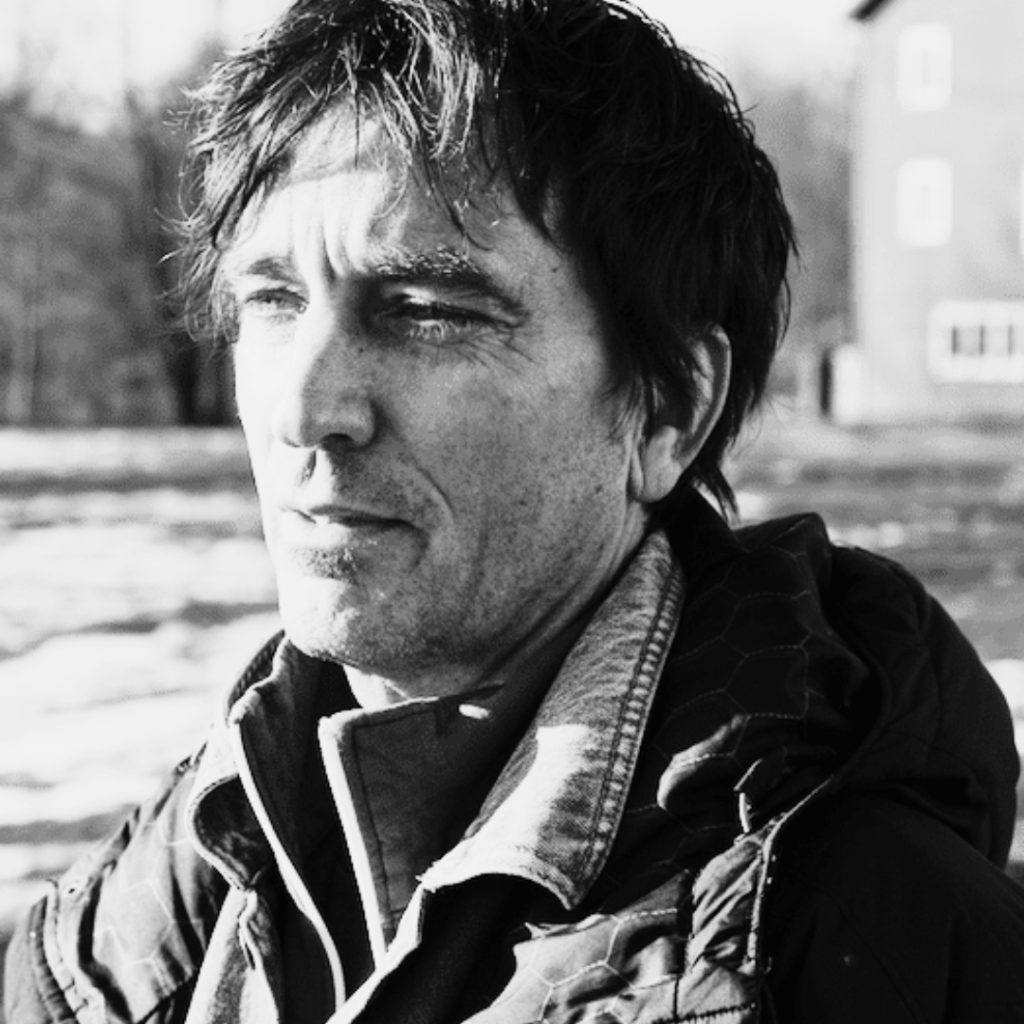
Nick Flynn (E.U.A, 1960) es un escritor con master en escritura Creativa por la Universidad de Nueva York. Entre sus libros de poesía destacan Blind Hubbern, Low y Some Ether, que ganó el Pen/Joyce Osterweil Award. También ha colaborado en medios como lo son The New Yorker, The Nation, The New York Times Review of Books y The Paris Review. En 2004 publicó su novela Another Bullshit Night in Suck City, traducida al español por la editorial Anagrama, y adaptada al cine por el director Paul Weitz bajo el título Being Flynn, con las actuaciones de Robert De Niro y Paul Dano. En la actualidad es profesor en la Universidad de Houston y vive en Nueva York.
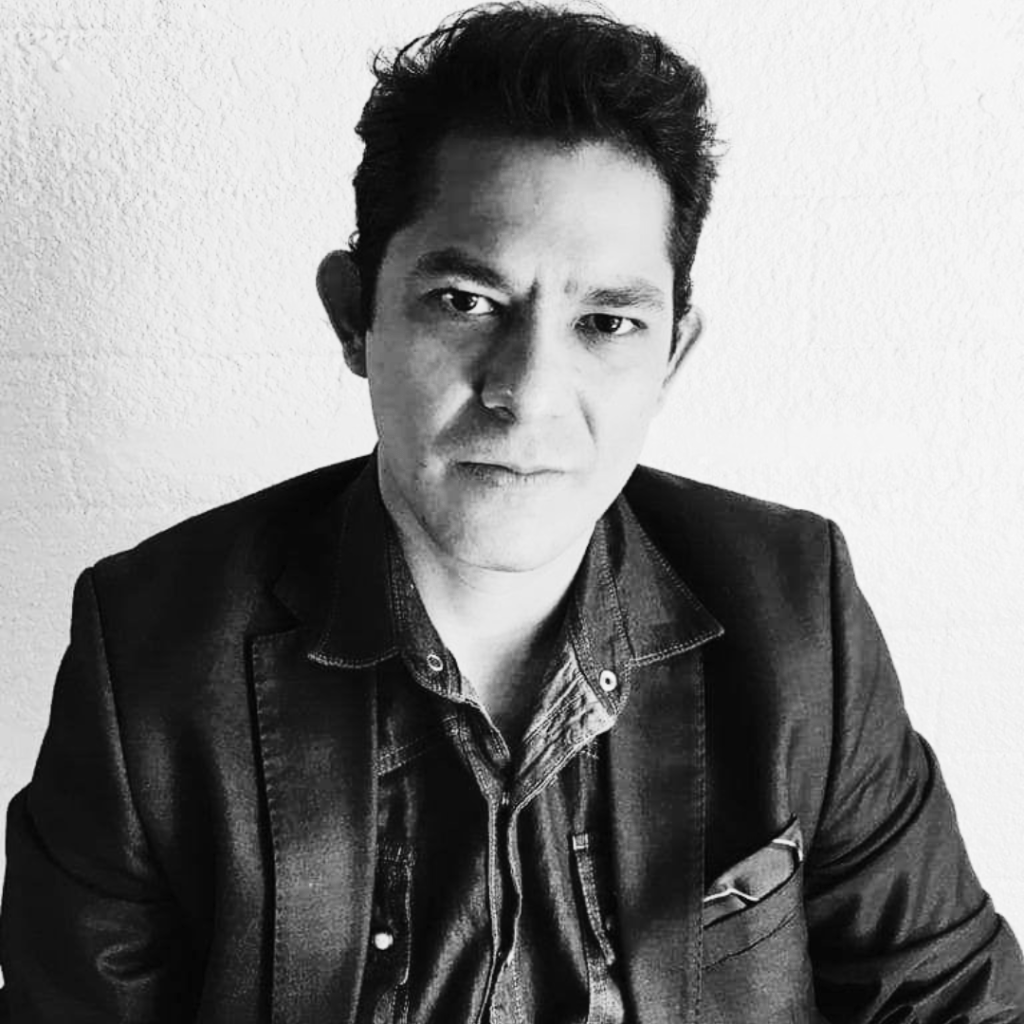
José Antonio Albarrán (Ciudad de México, 1990). Licenciado en Filosofía por la UNAM. Director de la editorial y revista digital de creación literaria Campos de Plumas. Coordinador de publicaciones del PUEDJS de la UNAM. Entre sus distinciones se encuentran los siguientes: ganador del certamen de ensayo “Luis Alberto Arellano” de Mantis Editores; ganador del primer concurso de ensayo “¿Por qué es vigente la tauromaquia?” de la Fundación Tauromaquia Mexicana; obtuvo la beca de literatura Interfaz ISSSTE 2017, y fue jurado seleccionador del Premio Internacional de Poesía Fundación Loewe 2021 con sede en Madrid. Sus poemas han sido publicados en revistas de España, Francia, Costa Rica, Argentina, Chile, Perú y México, y han sido traducidos al francés e italiano.
 Campos de Plumas